
Last week, Land Steward Partners turned one!
It feels like a relatively small milestone, but I'm really proud of it.
A year ago, I left a great job to pursue an idea I couldn't stop thinking about: How do we make restoring nature at scale an investable proposition?
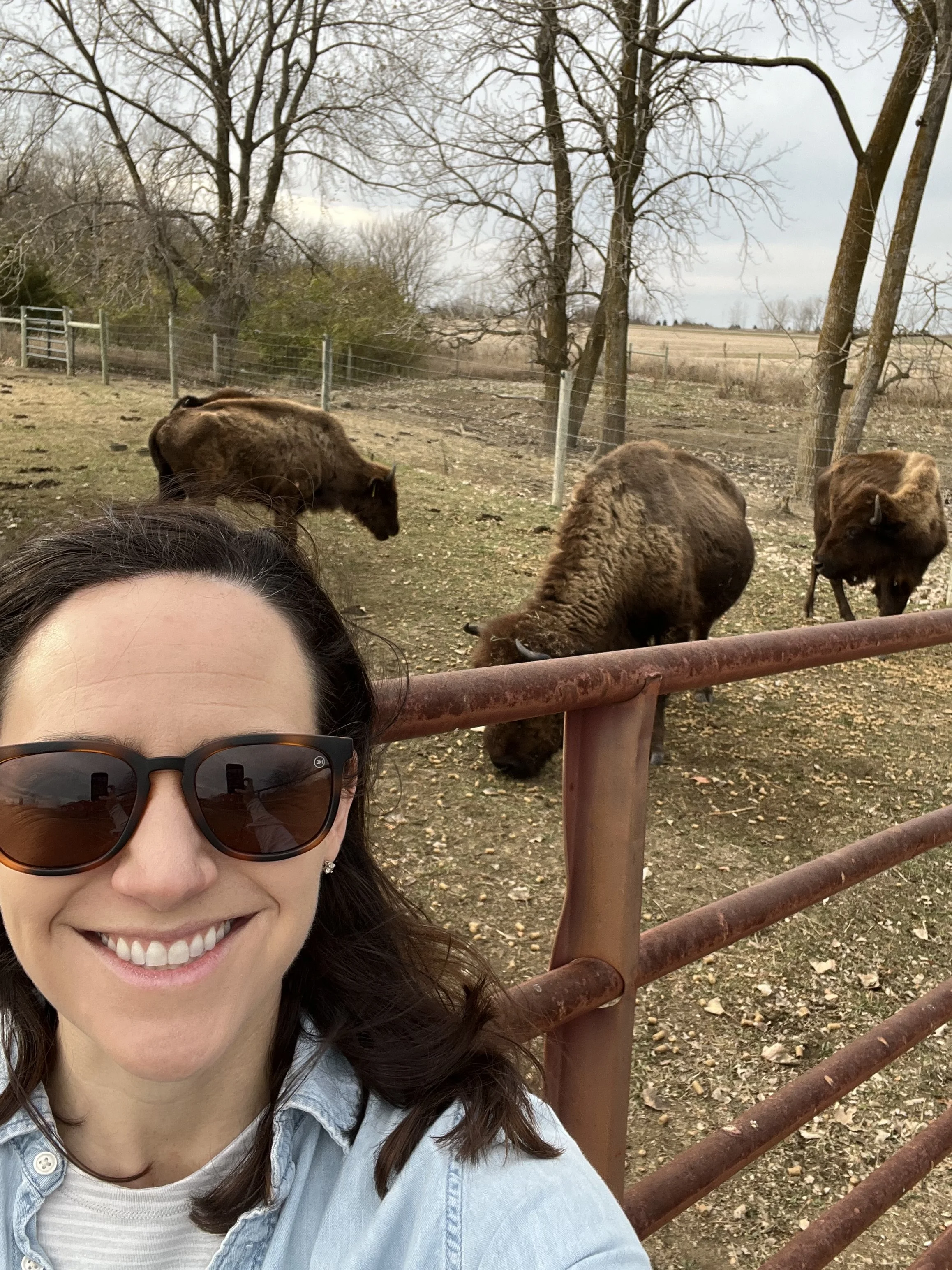
Visiting the first of many bison operations in November 2025.
I started Land Steward Partners with one client, a lot of conviction, and an obsession with figuring out how to crack the code for restoring nature at scale.
Today, we're supporting six clients and growing. We're helping develop conservation grazing strategies for thousands of acres, launched a podcast, built a community around our ideas, and explored more business models than I can count.
Have we cracked the code?
Not yet.
But we've learned an incredible amount about what it might take. And perhaps more importantly, we've gotten much clearer about where we can make a meaningful contribution. As I reflect on our first year, I wanted to share a little about what we've accomplished, what we've learned, and where we're headed.
The Original Thesis: Harness the Economic Engine of Agriculture
When I launched Land Steward Partners, my thesis was relatively straightforward.
Agriculture is one of the largest economic forces shaping our landscapes. What if we could harness that economic engine to restore ecosystems rather than degrade them?
What if we could develop financial structures that reward farmers, ranchers, and landowners for improving the ecological health of their land?
I've written extensively about our grassland restoration strategy, but here's the short version.
Acquire degraded pasture and marginal cropland, restore it to high-quality native grassland, and use regenerative grazing to support that transition.
Think large ruminants moving across the landscape in ways that mimic the ecological role of historic bison herds. Grazing that builds soil carbon, supports diverse plant communities, and creates habitat for birds, pollinators, and other wildlife.
Over time, we want to restore more of the landscape's natural hydrology, too. Wetlands, streams, floodplains, and eventually even beaver meadows.
The vision is to create large, connected landscapes that support biodiversity, store carbon, improve water resources, and remain economically productive.
And to do it at a scale that matters.
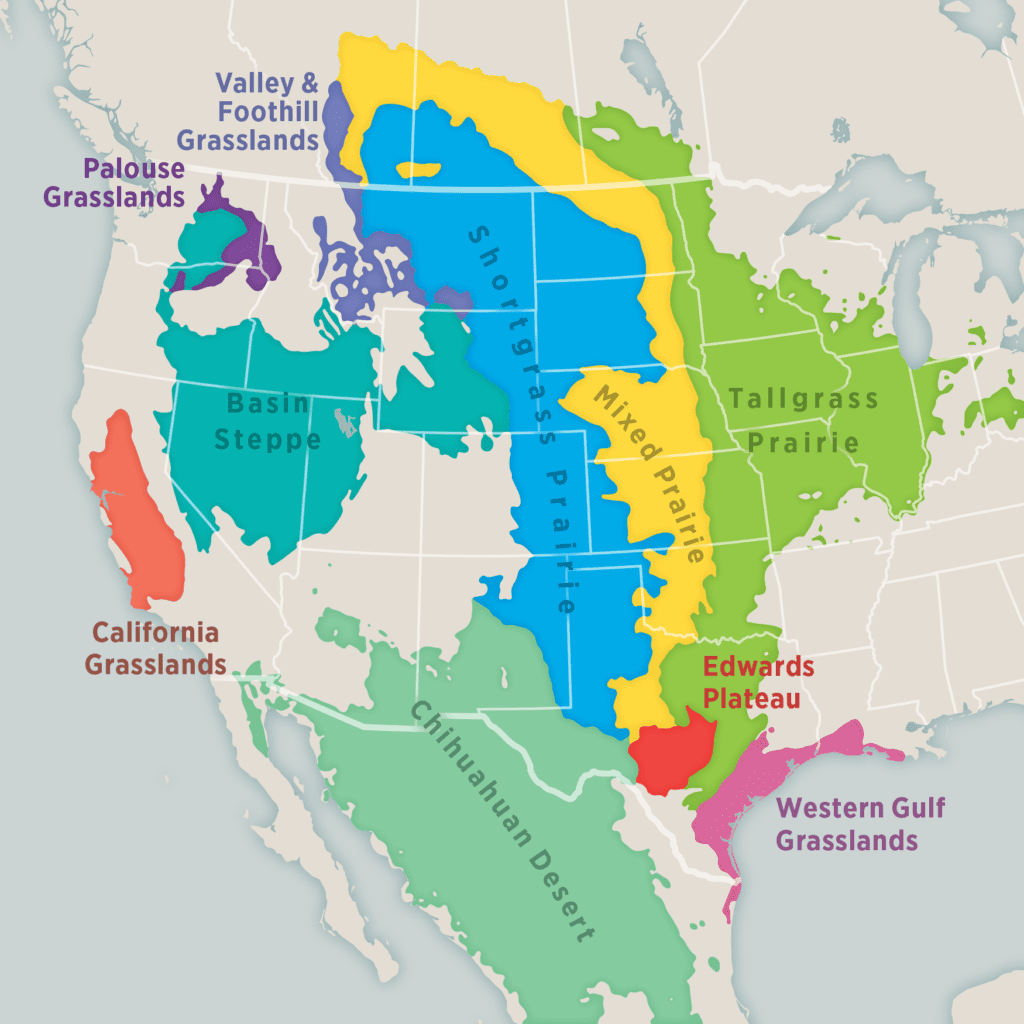
Source: Daniel Huffman based on NatureServe (Comer et al. 2018) and the International Vegetation Classification and Terrestrial Ecoregions of the World (Dixon et al. 2014)
The ecological opportunity is enormous. Grassland ecosystems were once the most dominant biome in North America. Today, a fraction remains. Of the Tallgrass Prairie in particular, less than 4% remains. These ecosystems also overlaps significantly with private landownership, so we need investable strategies that enable private landowners to participate in this solution.
The challenge isn't necessarily knowing what a restored landscape should look like.
It's figuring out how to pay for it. And that's where we've spent much of our first year.
A Few Highlights From Year One
Before getting into what we've learned, I want to celebrate a few things.
Over the past year, Land Steward Partners has:
Grown from one client to six, supporting projects spanning conservation grazing, solar land stewardship, bison ranch development, and ecosystem services on working lands.
Supported grazing contracts and strategies covering approximately over 13,000 acres of solar projects, helping renewable energy developers think differently about how their land can be managed.
Launched The Nature Stack podcast, so far recording and releasing our first two episodes exploring the people, businesses, and ideas shaping the future of agriculture and land stewardship.
Researched and published 19 blog posts, sharing our research, ideas, questions, and evolving perspective on nature finance and regenerative agriculture.
Launched this newsletter, which is becoming our primary way to share what we're learning and connect with people working on similar challenges.
Narrowed our strategic focus. We started with five different business models we wanted to pursue. Today, we're increasingly focused on demonstrating one core thesis through real projects and building from there.
Of course, the year has also had plenty of difficult moments.
There have been times when I've questioned whether leaving a great job to start a business was the right decision. Times when a promising opportunity didn't materialize, when a business model looked compelling on paper but fell apart under scrutiny, or when I wondered whether I was making progress quickly enough.
But I kept showing up.
Sitting down at my desk, visiting farmers, making calls, building relationships, asking questions, and trying to figure out the next piece of the puzzle.
And there have been so many moments when I've felt genuinely excited about what we're building. One of the most rewarding parts of this year has been discovering just how many talented, thoughtful, and generous people are working to solve similar problems. That has reinforced something I now believe is central to our approach:
We aren't going to solve the nature restoration challenge through one company, one nonprofit, or one investment fund. We're going to solve it by building an ecosystem of complementary businesses, organizations, investors, and land stewards.
Which brings me to one of my biggest lessons from year one.
Lesson 1: We Don't Need to Reinvent Every Piece of the Puzzle
When you're starting a company, it's tempting to look at every problem as an opportunity to build a new business. And there are a lot of problems to solve in regenerative agriculture and nature finance.
But I've become increasingly convinced that the most valuable thing we can do isn't necessarily build something new in every category. It's identify what's missing and build the connective tissue between what's already working. Take grassland carbon credits. There are already companies that have spent years building the infrastructure to measure, verify, market, and sell carbon credits generated through improved grazing management.
Should Land Steward Partners build another carbon credit company? Probably not.
We could spend years developing methodologies, building relationships with buyers, recruiting ranchers, and creating the infrastructure necessary to compete.
Or we could partner with a company that's already doing that work and integrate carbon revenue into our restoration projects. Sure, we might give up a few percentage points of potential revenue. But if the economics of our restoration project depend on capturing those last few percentage points, we probably don't have a very resilient investment model to begin with. The same logic applies to land management, livestock production, processing, biodiversity monitoring, and many other parts of the system.
There are already excellent organizations doing important work.
Our opportunity is to figure out how to bring those pieces together into investable projects that deliver meaningful ecological outcomes.
That requires collaboration, not competition. And it's shaping how we think about building Land Steward Partners.
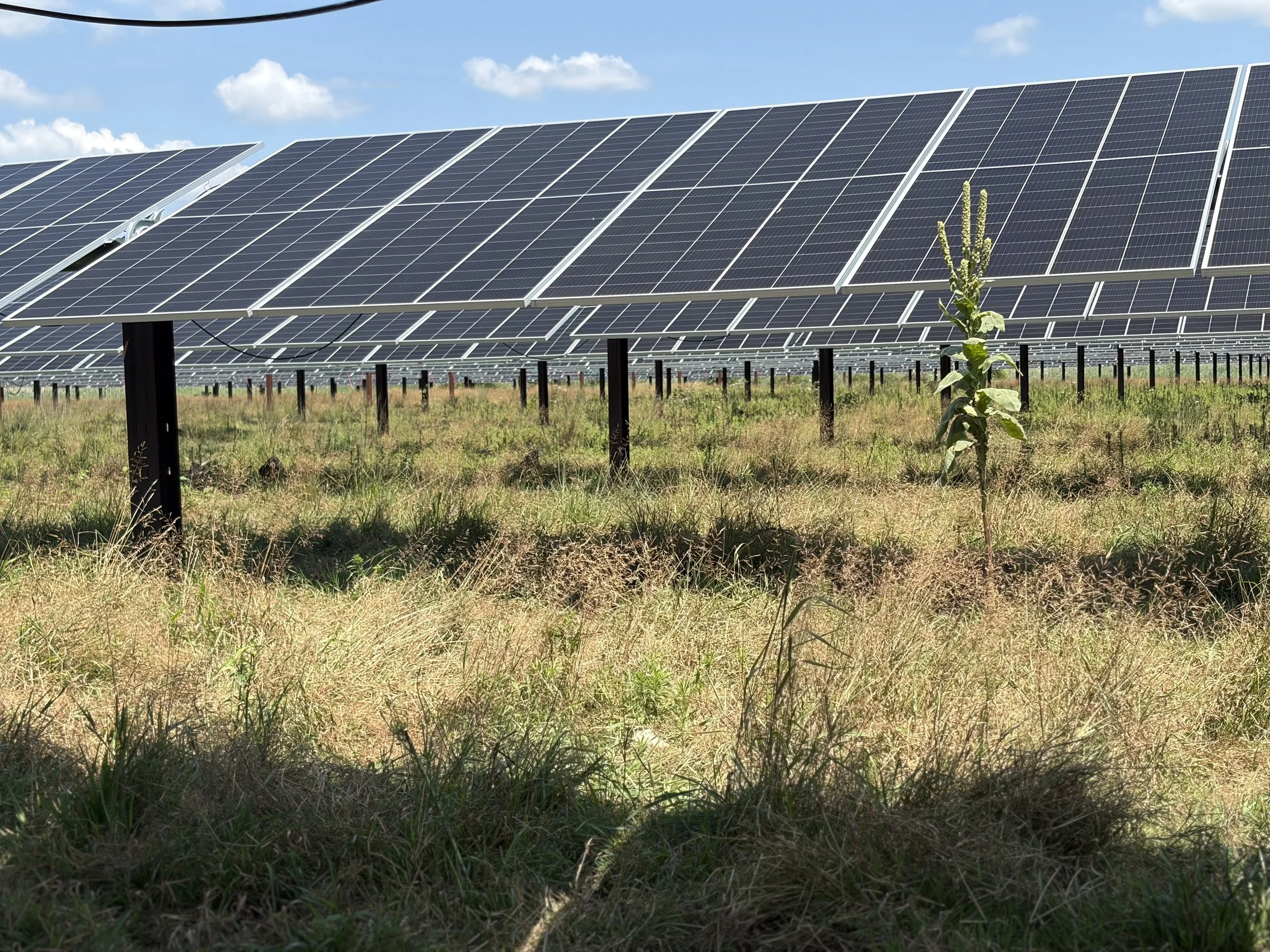
Solar encompasses over 1 million acres today and could grow to 10 million acres. This represents a unique opportunity for partnership for grassland restoration and regenerative grazing on the same acres.
Lesson 2: There Are Three Places We Need to Bring Capital Into the System
Over the past year, we've explored a wide range of financing models, business structures, and potential revenue streams.
We've talked with landowners, ranchers, investors, conservation organizations, ecosystem service developers, and companies trying to build markets for nature.
And we've arrived at a much clearer framework.
If we want to restore agricultural landscapes at scale, there are three major places where we need to improve the flow of capital.
A. Land: Bring More Restoration-Minded Investors Into Agriculture
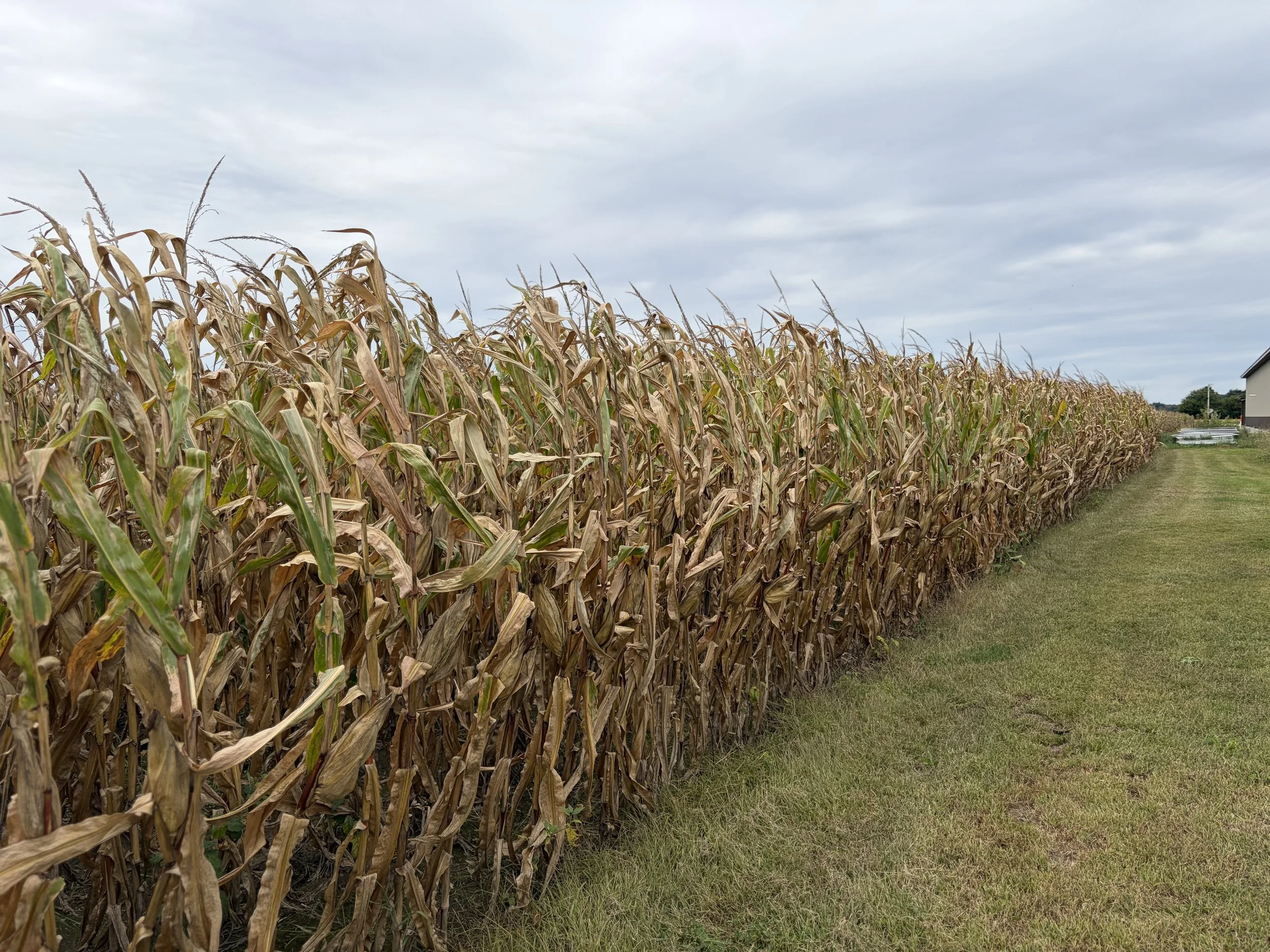
Corn fields are the predominant scenery across the Midwest these days. I’m interested in what other economically productive uses of the land could provide more co-benefits for water and biodiversity.
The first opportunity is land ownership.
Farmland is an established asset class. Investors understand land appreciation, agricultural rents, and the long-term value of owning productive real estate.But most agricultural investment models are designed to maximize traditional agricultural returns.
What if we could create investment structures that attract people who want those same fundamental benefits of land ownership, but also want their capital to support ecological restoration?
Investors who value owning a tangible asset, generating a reasonable cash yield, and contributing to the recovery of grasslands, wetlands, and wildlife habitat. The challenge is demonstrating the economics will work. Restoring marginal cropland or degraded pasture can require upfront infrastructure investment. And the income generated through regenerative grazing may not initially compete with conventional agricultural rents.
So how do we structure acquisitions, leases, restoration financing, and long-term ownership to create attractive risk-adjusted returns?
That's one of the central questions we're working to answer.
B. Operations: Invest in the People and Infrastructure That Make Restoration Possible
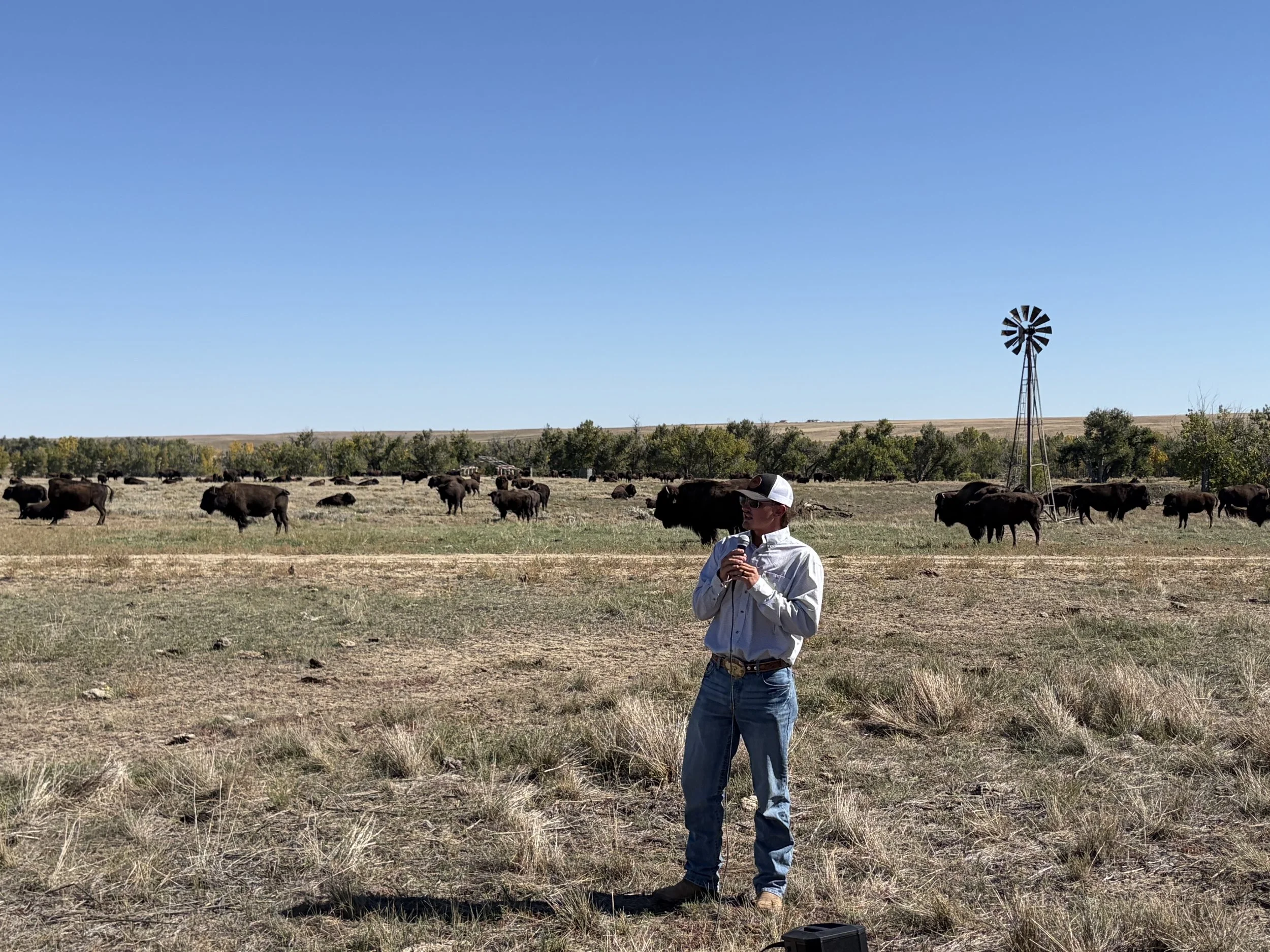
Cannan Bennett of Prairie Ridge Buffalo gives a ranch tour of the Savory Institute’s West Bijou Ranch near Strasburg, CO.
The second opportunity is operational capital. We can buy all the land we want, but without capable farmers and ranchers to manage it, we won't accomplish much.
Restoring grasslands through grazing requires animals, fencing, water infrastructure, equipment, and, most importantly, skilled operators. It also requires businesses that can support those operators. Livestock processing, distribution, marketing, and access to consumers willing to pay for regeneratively produced products all influence whether these businesses can succeed. And capital is often a constraint.
We need more financing options for farmers and ranchers who want to expand regenerative operations, including debt, equity, partnerships, and shared infrastructure investments. We also need to develop a stronger pipeline of operators who have the skills, ambition, and ecological mindset to manage these landscapes.
This is an important distinction.
Investing in land restoration is not the same thing as investing in the businesses that make restoration possible.
Both are necessary.
And the financial structures that work for one may not work for the other.
C. Ecosystem Services: Build Markets That Reward Better Stewardship
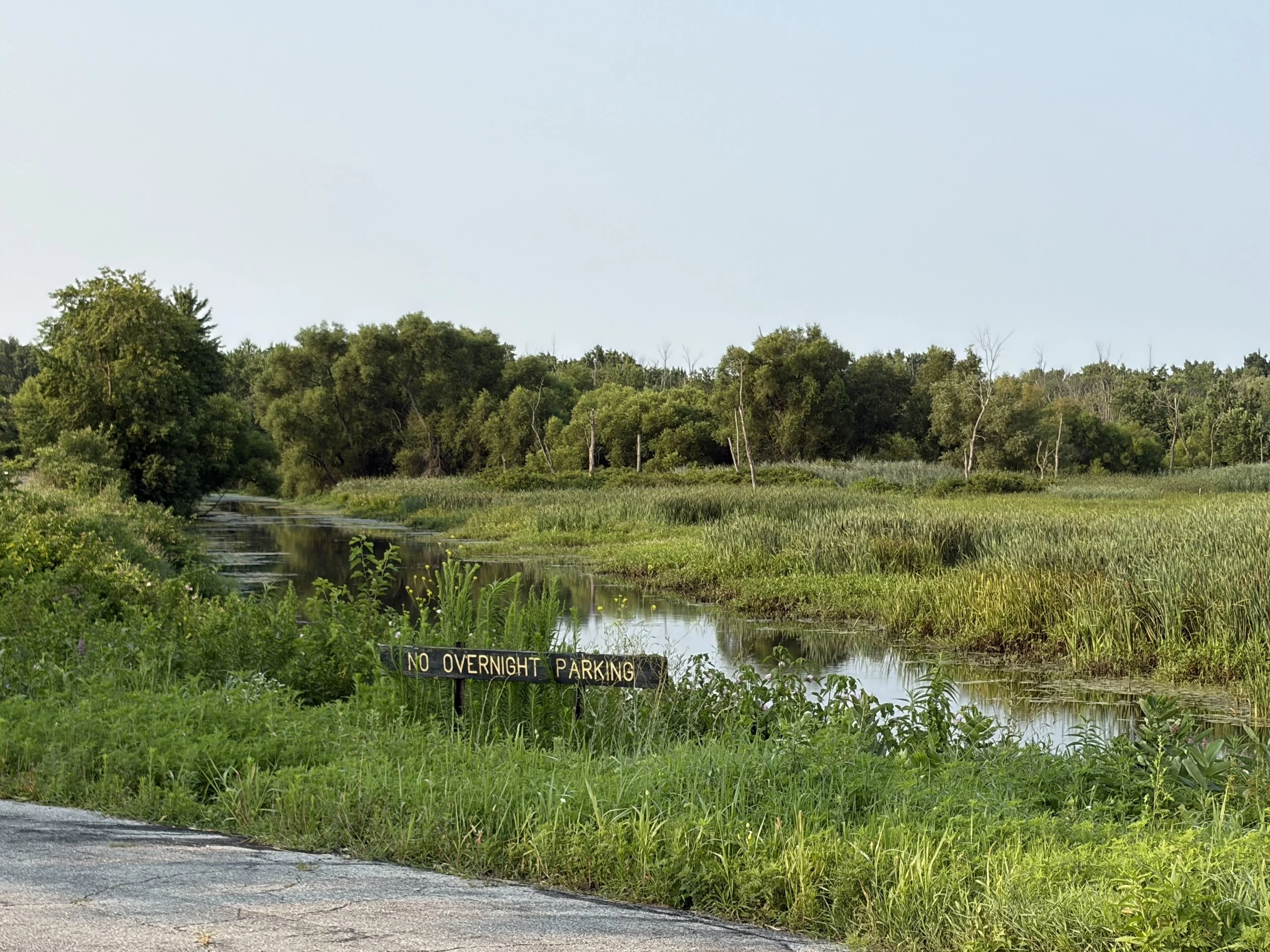
Streams and rivers have been turned into ditches, but with proper ecosystem value systems, we can fund the restoration of this critical infrastructure.
The third opportunity is developing additional revenue streams that recognize the value of healthy ecosystems. This is where things get particularly interesting. Agricultural landscapes provide far more than food and fiber. They store carbon, filter water, support biodiversity, reduce flooding, and provide habitat for wildlife. But most of those benefits have historically generated little or no direct financial return for the people managing the land.
That is beginning to change. Carbon markets are probably the most established example, particularly for grassland management. Conservation easements can provide substantial financial incentives in certain geographies. Water-related opportunities are more complicated but potentially valuable. Depending on the location and regulatory environment, projects might generate revenue through water quality improvements, water conservation, or the transfer or retirement of irrigation rights.
And then there's biodiversity. Biodiversity markets are still in their infancy in the United States, but I think they represent an enormous opportunity. Could a rancher eventually be compensated for maintaining habitat for grassland birds? For supporting native plant diversity? For restoring the ecological functions of a degraded prairie?
What would a biodiversity credit actually represent? How would it be priced? And should the value of biodiversity on a working ranch be measured differently from biodiversity on land managed exclusively for conservation?
There are far more questions than answers right now.
But I believe we need to move beyond thinking exclusively about credits and start thinking more broadly about the market architecture required to value and finance ecosystem services. That includes identifying buyers, developing credible measurement systems, structuring transactions, and ensuring that the financial benefits reach the people responsible for managing the land. The opportunity isn't simply to create more credits.
It's to make ecological stewardship a financially valuable component of land management.
Lesson 3: The Real Opportunity Is Connecting These Three Systems
Perhaps the most important realization from our first year is that these three categories can't be solved independently. A land investor needs a capable operator. An operator needs access to land, animals, infrastructure, and markets. And both benefit when ecosystem services create additional revenue that improves the economics of restoration. We can invest in any one of these pieces, but the real opportunity is making them work together.
Imagine a degraded agricultural property acquired by an investor who wants to support restoration.
A regenerative grazing operator leases the land, with access to financing for livestock and infrastructure.
A restoration plan guides the transition toward a more diverse native grassland ecosystem.
Carbon revenue, conservation incentives, or biodiversity payments help offset restoration costs and improve financial performance.
The operator generates income through livestock production.
The investor earns a return through agricultural rent, potential ecosystem service revenue, and long-term land appreciation.
And the landscape becomes healthier over time.
That's the model we're trying to develop. Of course, it's considerably more complicated in practice.
The right land has to be available at the right price. The right operator has to be willing and able to manage it. The restoration costs have to be reasonable. And the revenue streams have to be sufficiently reliable to support the investment. Not every project will work. But the more we understand how these systems interact, the better we can identify the projects that have the potential to succeed.
Lesson 4: We Need More Projects, Not Just More Ideas
One of the things I've come to appreciate this year is how much attention nature finance receives at the conceptual level. There are conferences, reports, investment frameworks, and ambitious commitments to mobilize private capital for nature. And those efforts matter.
But there's a gap between identifying a trillion-dollar financing need and developing a project that someone can actually invest in. Somebody has to find the land. Somebody has to recruit the operator. Somebody has to build the financial model, secure the partnerships, negotiate the agreements, and figure out how the restoration will actually happen.
And somebody has to take the early-stage risk (and time) of putting those pieces together before the project is ready for investment.
We need more project development capacity.
We need organizations willing to test new structures, assemble partnerships, and develop projects that can demonstrate whether these models actually work. Not every idea needs a new company. Not every project needs a new investment fund. But many promising ideas need someone willing to do the hard work of moving them from concept to implementation. And I think that's an important part of the role Land Steward Partners can play.
So, What's Next?
If year one was about exploring the opportunity and understanding where the gaps exist, I want year two to be about putting what we've learned into practice.
That means moving from financial models and theoretical structures toward real projects, real investments, and measurable ecological outcomes. It means working with landowners and land investors who want to restore degraded landscapes. It means partnering with farmers and ranchers who want to build and expand regenerative livestock businesses. It means collaborating with organizations developing the tools and markets to value ecosystem services.
And it means continuing to ask where Land Steward Partners can play a catalytic role. What isn't being solved by the organizations already doing great work? What models haven't been tested?
What partnerships could unlock opportunities that none of us could pursue independently? And how can we develop, pilot, and ultimately scale the approaches that work?
Our ambition hasn't gotten smaller over the past year. But our understanding of what it will take has become much more grounded. We started with a big vision for restoring nature through agriculture. Today, we have a clearer understanding of the capital, partnerships, infrastructure, and market development required to make that vision financially viable.
Now it's time to start proving it.
A Final Thank You
I want to close by expressing my gratitude to the people who have supported Land Steward Partners during our first year.
To our clients who have trusted us to help solve complex problems.
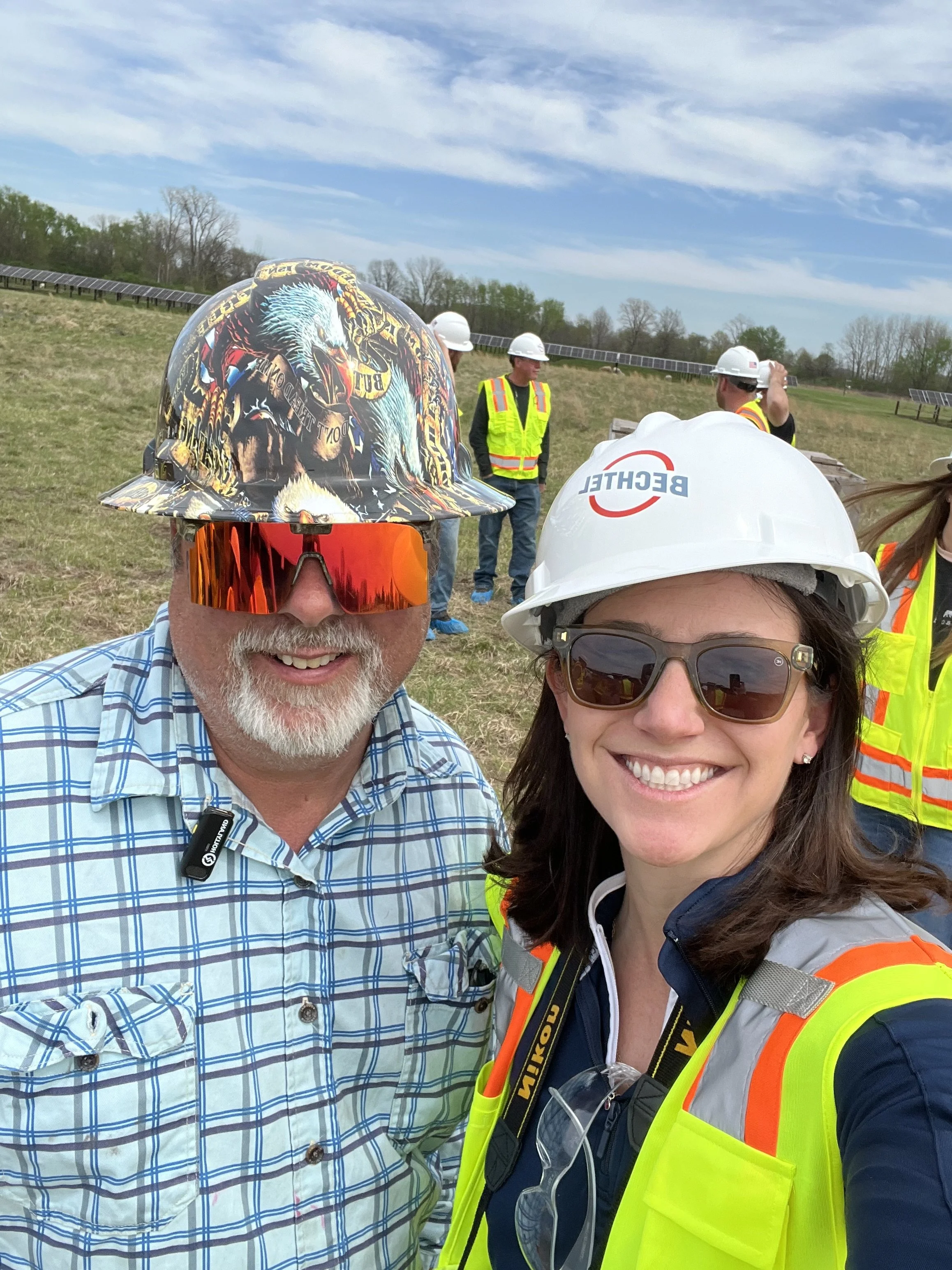
Spending time with Billy Bope, a lead solar grazer for Doral Renewables.
To the farmers, ranchers, landowners, and conservation professionals who have generously shared their knowledge and experience.
To the investors, entrepreneurs, and mentors who have challenged my assumptions and helped sharpen our thinking.
And to everyone who has read an article, listened to the podcast, shared an idea, made an introduction, or encouraged me along the way.
Building something new can be exhilarating, frustrating, humbling, and incredibly rewarding, sometimes all in the same week. But the relationships and collaborations we've developed over the past year have made me more convinced than ever that this work matters. We're one year in. We haven't figured it all out. But we're making progress, we're building momentum, and we're just getting started.
If you're working on any piece of this puzzle, whether that's land investment, regenerative livestock production, ecosystem service markets, or restoration project development, I'd love to connect.
Because I don't think the answer is building one company that does everything. I think it's building a network of people and organizations that can accomplish something much bigger together.
Here's to year two. We’ll keep showing up, keeping dreaming big dreams, building partnerships, testing investment models, seeking out nature, and talking about why it matters.
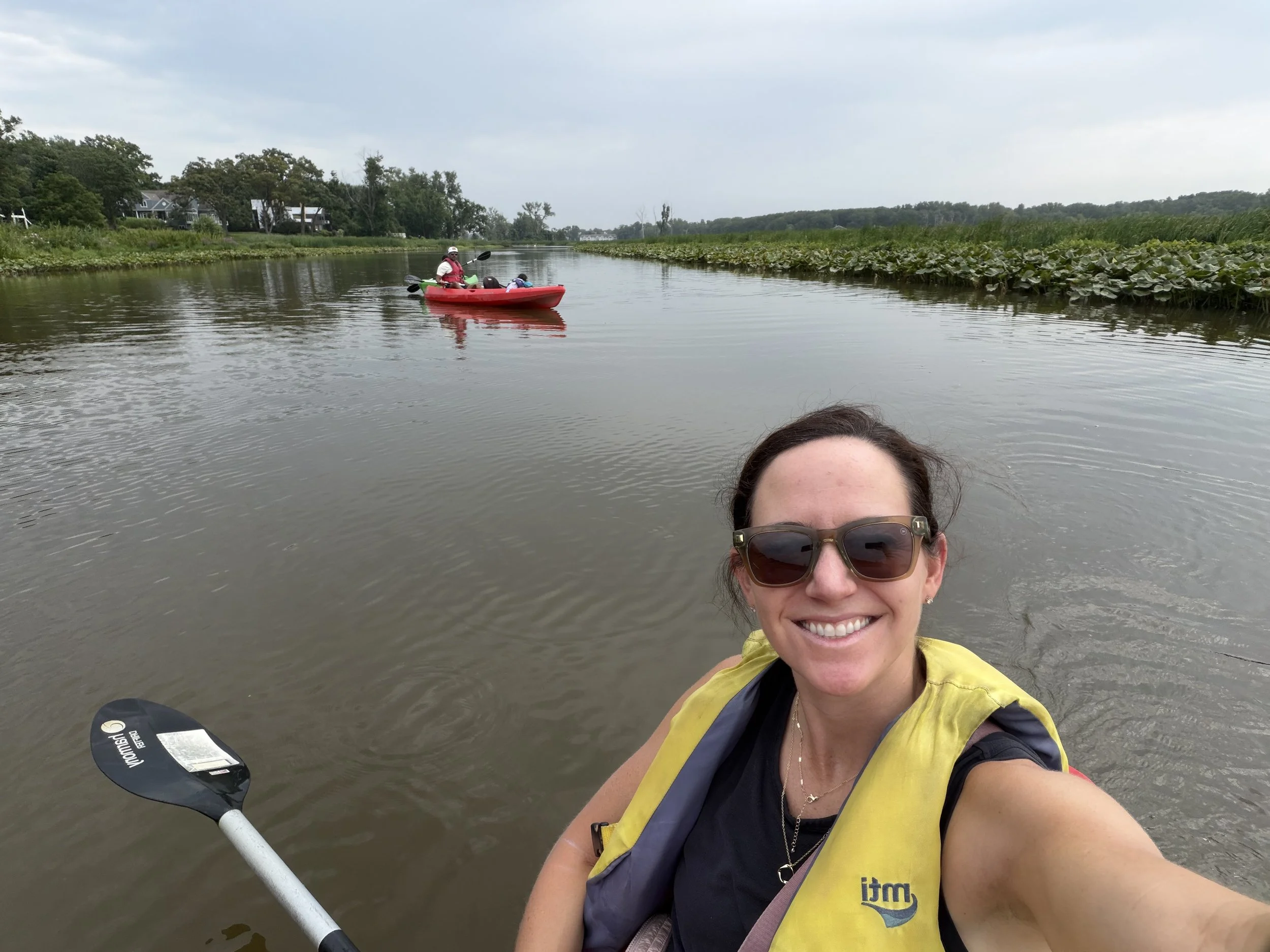
My favorite place to be —kayaking on a river with my family.