Embracing the Big Vision
How many times have we let fear get in the way of chasing a dream? Fear that we will fail, fear that we will be judged, fear that we will look stupid. So many fears to stop us from doing what we deeply desire to do.
I have often said this to my kids—"Don’t be afraid of trying and failing. If you failed, it means that you tried to do something hard. That is worth being proud of. And if you try enough times, you will eventually succeed.”
If only it were so easy to take the same advice! For me personally, it would be much more comfortable to fail in secret.
My vision with Land Steward Partners is a big one. It’s hard to share it before I’ve demonstrated that it works. But, without sharing the vision, it will be that much harder to achieve it. So here I am, admitting the big thing I’m working on. I keep telling myself: time will tell how long it takes, but not whether it will happen. That part is up to me.
In Illinois alone, there are 27 million acres of farmland, and 90% of that is dedicated to growing corn and soybeans. That means 67.5% of the land in Illinois is currently growing two plant species.
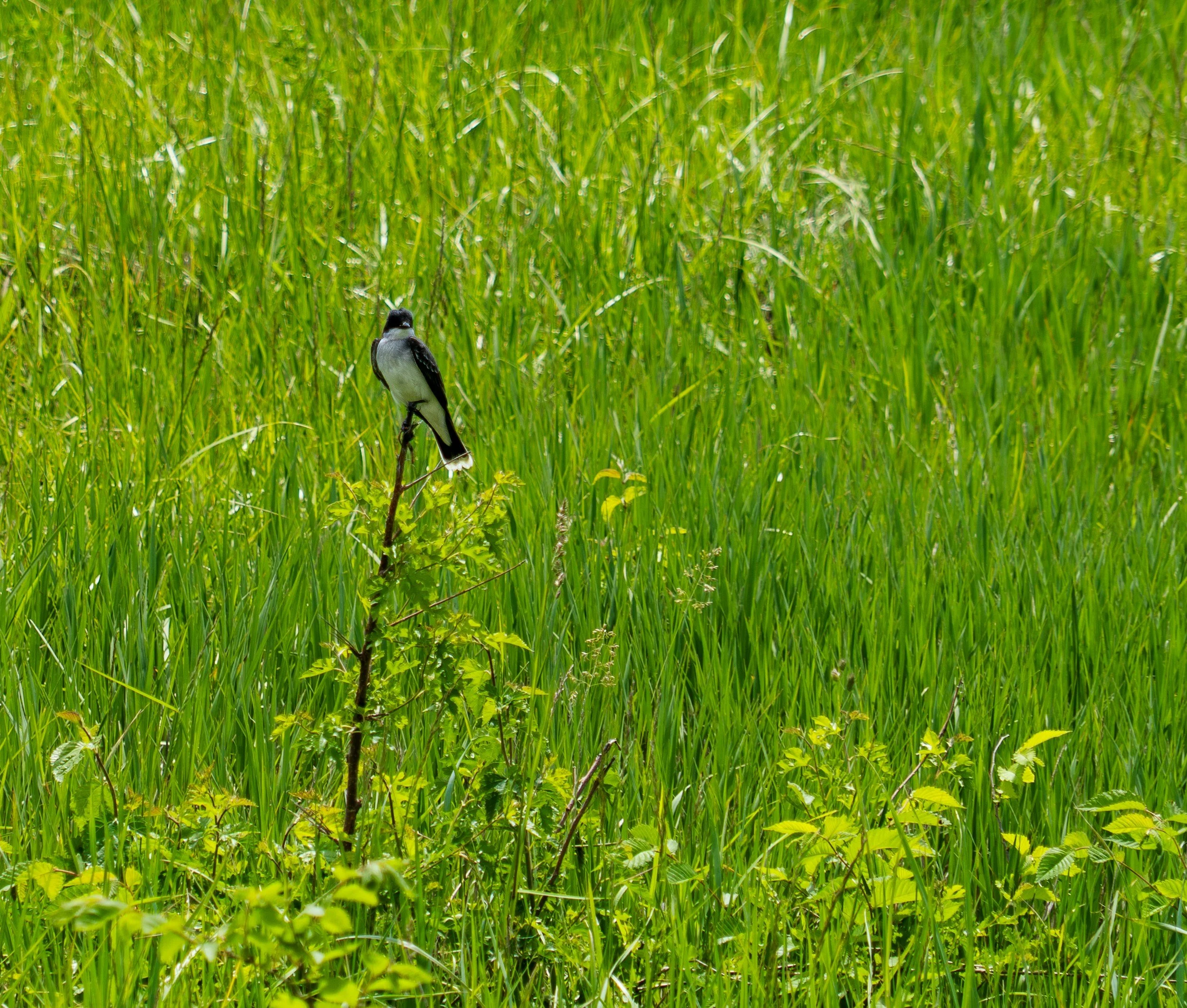
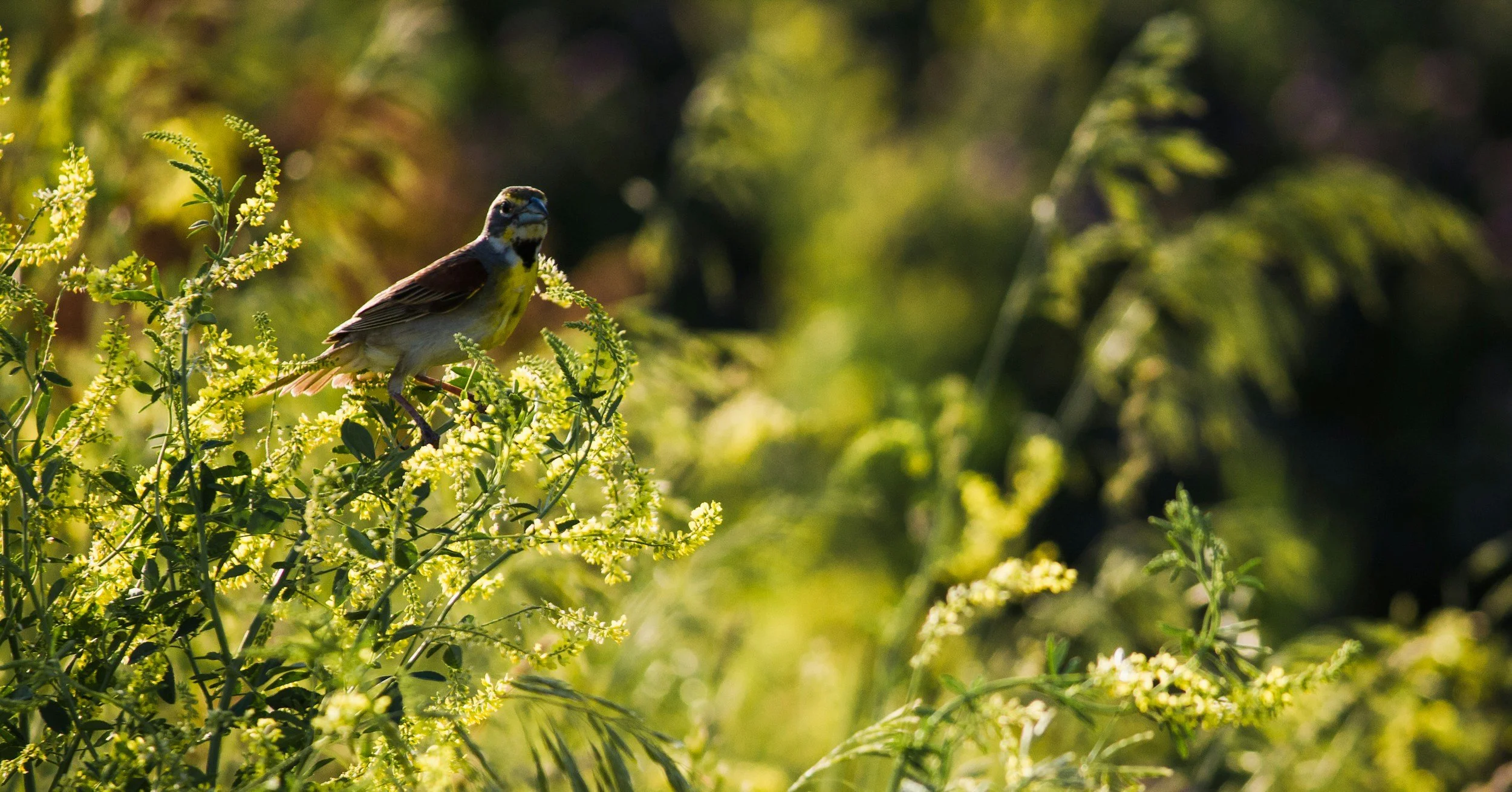
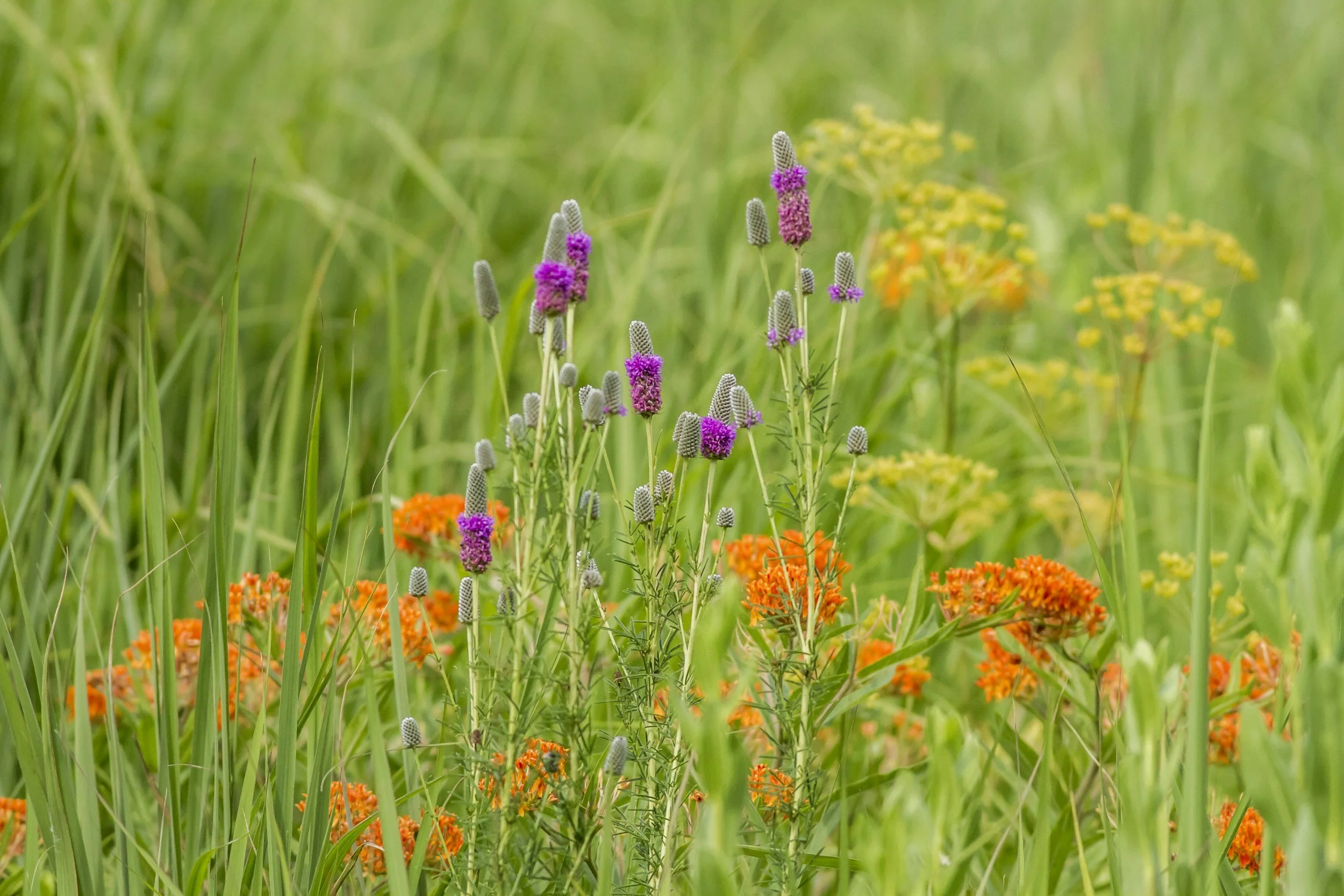
Compare that to the diversity of Illinois’s native prairies, which previously covered around 60% of the state—21-22 million acres—which would have been covered with 300-500 species of plants. No wonder grassland bird populations are plummeting across the US, and especially in Illinois. There is less than 0.01%-1% of the Illinois tallgrass prairie ecosystem remaining. The study cited points to a hot spot of acceleration of decline in the Midwest, and that “any metric of agricultural intensity was always the best predictor of acceleration of the decline.”
Having worked in the environmental and conservation sector for my entire career, I have worked on countless projects balancing natural resource concerns and budgets—how can we achieve the most environmental benefit for the lowest possible cost? Because most of the calculus comes down to cost—who is going to pay for this? We have a lot of theories about who “should” pay for it, but in reality, most of those entities or people won’t, actually, pay for it. It’s just not the system that currently exists. So we are left to search for other solutions.
I think part of the problem lies at the root of this thinking, that conservation or the environment is something that has to be “paid for”, as in, we need someone to foot the bill because there is not value in restoring nature in and of itself. And in some cases, this is absolutely true—cleanup of toxic waste comes to mind—the responsible parties should pay for that.
Fortunately, with the right conditions, nature pays for itself.
Large grazers were a key part of healthy prairie ecosystems: literally millions of herbivores that ate grass and forbs, trampled plants, fertilized the soil with their waste, and shaped the landscape with their hooves and wallowing and migration patterns. Our land in Illinois had the carrying capacity for billions of pounds of animal biomass. There were many smaller grazers too, and birds, amphibians, reptiles, pollinators, and large predators. These ecosystems were incredibly complex, and it’s not simple to restore them.
But, we can give nature a headstart by changing what kind of food we produce on this land, and the food can pay for the nature. Conveniently, humans love to eat these large grazers (also known as bison, and their more modernly common bovine cousin- beef cattle). Right now, this land is mostly used to produce corn and soybeans, which ride a global commodities and subsidy-fueled rollercoaster. Per the USDA Economic Research Service’s 2026 forecast, median net farm income for the average “small” farm was -$1,498. You read that right: negative ~$1500. For reference, this includes farms with gross receipts of $350,000 or less. All that effort and hard work, only to lose money.
The current system is not working for farmers or the environment. Transitioning some of this acreage to native prairie and rotationally grazed, grass-fed bison (or even beef cattle) is a win-win. We can produce better revenue streams from farming, without subsidies, on the same land, while also allowing biodiversity to thrive again. Not to mention, after decades of conventional tillage, bison are a fantastic tool to rebuild soil health and fertility, decompact soils, and kickstart a regeneration process that supports soil water retention in our increasingly drought-prone climate. These characteristics will only help increase value of the land over time. Not to mention, bison makes for a tasty burger. As my friend and our advisor Matt Skoglund says “Eat bison. Save birds.”