The Value-Add Opportunity Hiding in Farmland
Professional real estate assets look for something with “good bones” that is underperforming for some reason. The asset typically requires upfront investment and capital improvements that don’t make sense for the previous owner. Without strategic investment, the asset is at risk of worsening cash flows and long-term value degradation.
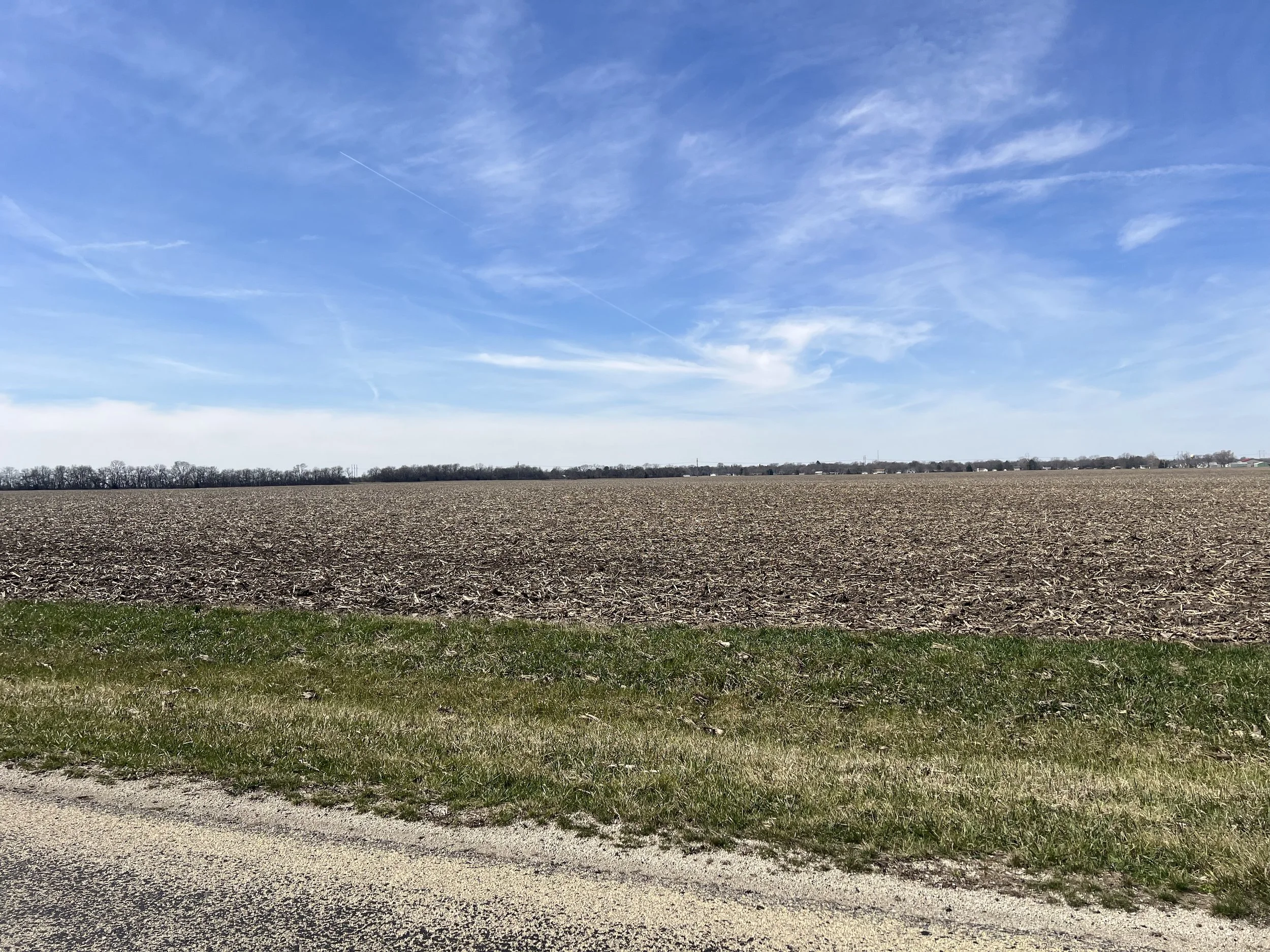
There’s an opportunity in looking at conventional farmland in a similar way to how investors look at commercial or residential investment properties. The macro conditions for agriculture in 2026 highlight how vulnerable conventional farmland is to disruption—a global shortage of fertilizer is rendering millions of acres of land unproductive or subject to much more expensive inputs—and lower profits. Droughts across the Great Plains are projected to leave farmers with total crop losses. There are insurance subsidies to mitigate these risks, of course. But the asset itself is not a premium asset operating at peak performance. It is a sometimes productive asset with degraded biological infrastructure and low resilience to external factors—heavily dependent on a subsidy to cash flow. Buying it and transitioning it to regenerative management requires a similar investment thesis to acquiring an underperforming commercial property, industrial facility, or operating business and investing capital to improve its economics.
Let’s explore an analogous investment that gets made every day in the US: A 1970s apartment building is up for sale. The building generates rent, but has several underlying risks:
Deferred maintenance exists
Energy systems are inefficient
Occupancy is below market
Operating expenses are too high
Newer construction nearby commands higher rents
The smart investor doesn't see these as problems—they see them as sources of value creation. They underwrite: i) Purchase price; ii) Renovation capex; iii) Temporary reduction in cash flow, and iv) Stabilized value after improvements.
The value creation comes from improving the asset. Regenerative farmland works similarly. The farm may produce crops today, but it often has:
Depleted soil organic matter
Poor water infiltration
High fertilizer dependence
Low biological activity
Yield volatility
Weak drought resilience
These are effectively forms of deferred maintenance. The prior owner extracted production but did not fully reinvest in the biological infrastructure of the land.
Transition Costs Are Agricultural Capex
Most farmland buyers view the first three years of regenerative transition as a cost. We should see this transition period as a capital improvement program—not operating expense. Just as an apartment owner might replace roofs, HVAC systems, and plumbing, a regenerative landowner invests in cover crops, compost, grazing infrastructure, fencing, water systems, tree plantings, soil-building practices, and management expertise. These investments improve the productive capacity of the asset. In accounting language, we’re rebuilding the productive base of the property.
Soil Organic Matter as Infrastructure
One of the strongest versions of the analogy is to compare soil health to infrastructure.
In real estate:
Roofs
Roads
Utilities
Foundations
In farmland:
Soil carbon
Water-holding capacity
Aggregation
Microbial activity
Nutrient cycling
These are productive assets. When they are degraded, the farm requires expensive external inputs to compensate. When they are restored, the farm becomes inherently more productive and resilient. The market often prices farmland based on current earnings rather than biological condition.
That creates an opportunity.Many investors value farmland using current rents or current yields.But imagine valuing an apartment building solely on today's rent roll without considering that occupancy could rise from 70% to 95%.You would miss a major source of value.
Or consider that to maintain even the baseline 70%, you have to pay expensive energy bills each year. What if you could increase your occupancy % while also reducing the expensive energy bills?
Similarly, farmland markets often do not fully capitalize improvements such as:
Increased soil carbon
Improved water retention
Lower input requirements
Greater drought resilience
Ecosystem service revenue
Premium market access
As a result:
The market frequently prices regenerative upside poorly, creating an opportunity for investors willing to fund the transition. Conventional farmland is often treated as a stabilized asset, but many acres are better understood as biologically undercapitalized properties whose productive infrastructure has been depleted over decades of extractive management.
The three-year regenerative transition should be viewed less as a temporary drag on returns and more as a capital improvement program that rebuilds the biological infrastructure of the land.