
Healthy Soil Is Infrastructure.
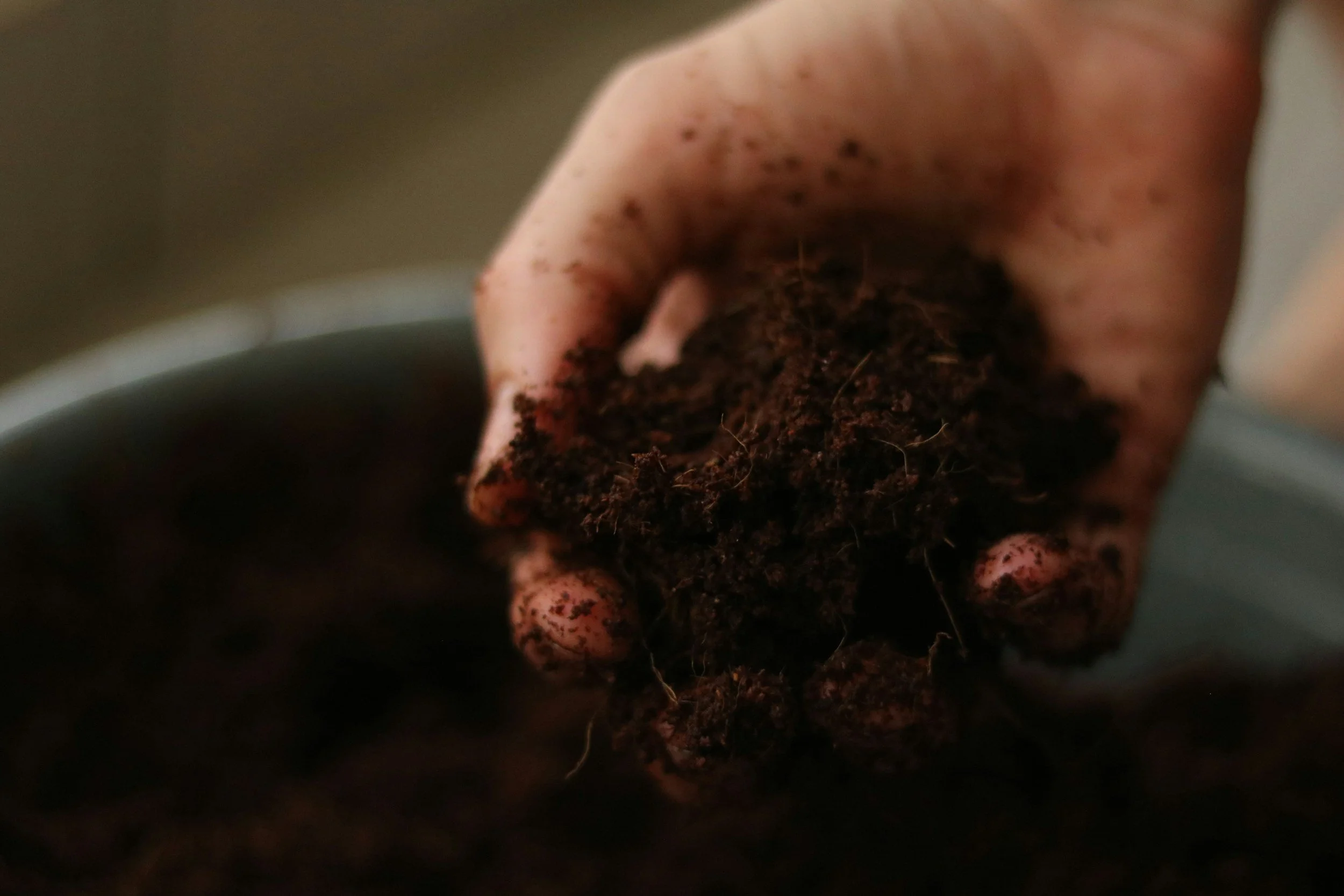
A handful of soil contains billions of microorganisms.
We don’t usually categorize “soil” as infrastructure. I don’t think most civil engineers would ever call “soil” infrastructure. But I think this is a missed opportunity.
The definition of infrastructure from Oxford Languages is “the basic physical and organizational structures and facilities (e.g. buildings, roads, power supplies) needed for the operation of a society or enterprise.”And what does soil do for us? Without soil, how would we grow food? It is essential to the operation (and fundamentally, the survival) of a society. It is also inherently “physical”. It is also structural in nature—as one example, more or less soil requires changing cut/fill calculations. With no topsoil, no vegetation (or poor vegetation) growth will occur. We need physical soil for our society to survive. For those reasons alone, I think soil should be considered infrastructure.
But soil also does so much more. It infiltrates rainfall, preventing it from running downstream. It stores water, holding it in reserve for a drier time in the future. It provides a home for the bottom of the biological food chain of the planet. Healthy soil provides resilience—to flood, to drought, to high input costs, to pests.
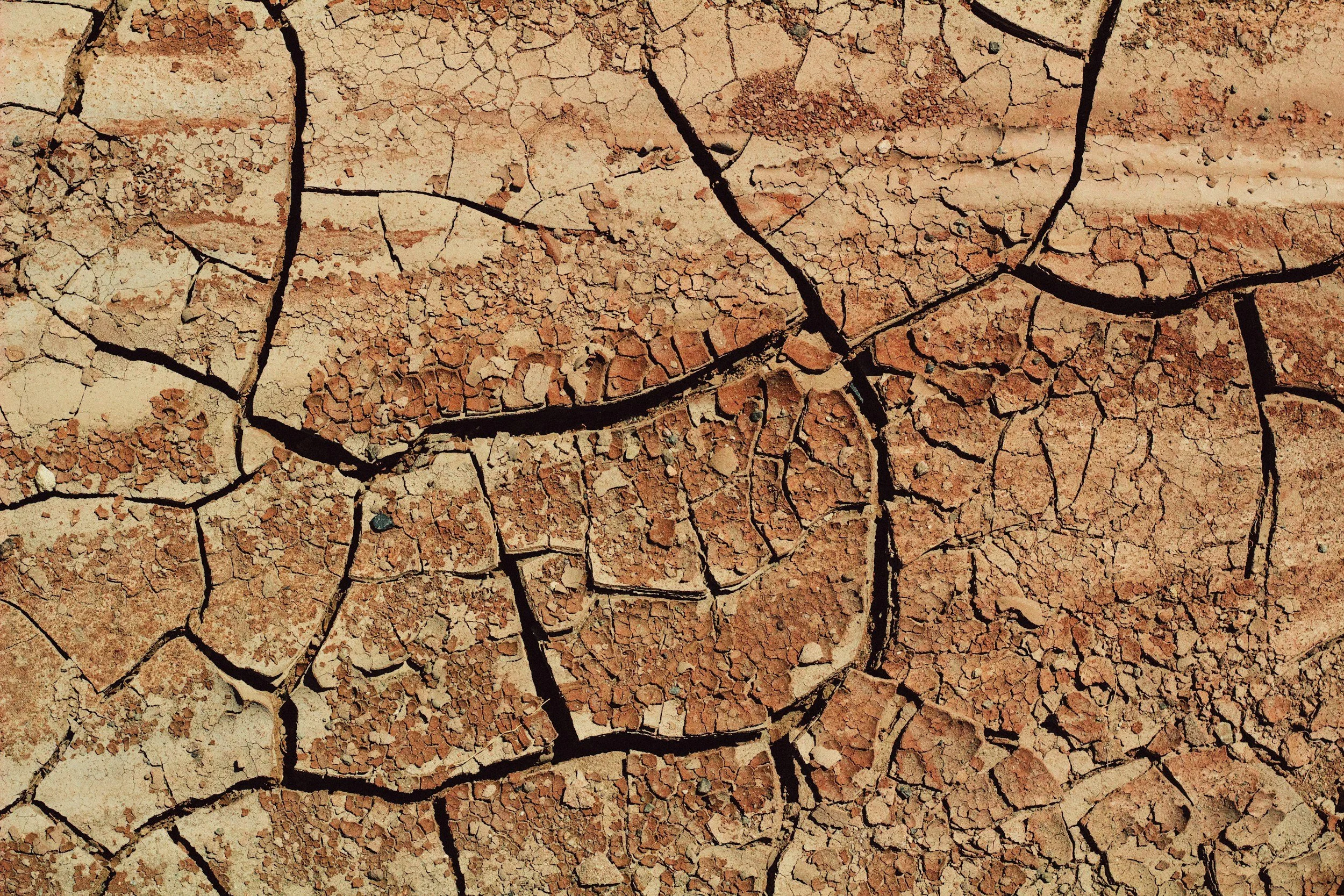
Dirt without Soil Organic Matter (SOM) cannot store water efficiently. Loss of SOM is part of the spread of desertification.
There’s a big difference between “dirt” and “soil”. Most people don’t realize that or even pay attention to this issue. But soil is one of the most prevalent substances in our lives that we never think about. Soil is “the upper layer of earth in which plants grow, a black or dark brown material typically consisting of a mixture of organic remains, clay, and rock particles.” A teaspoon of healthy soil contains billions of organisms. This is an ecosystem so complex and yet so microscopic that we didn’t even realize it until recently, despite the fact that it exists under our feet.
How do billions of organisms translate into infrastructure? Well, the more organisms you have in soil, the healthier the soil. And the higher the soil organic matter (SOM), the more water the soil can store. SOM is the component of soil composed of plant, animal, and microbial remains in various stages of decomposition, typically making up 1–5% of most soils. It includes fresh residue, active decomposing matter, and stable humus, which improve soil structure, nutrient retention, water-holding capacity, and overall fertility. Every 1% increase in SOM allows the soil to hold up to 16,500-25,000 gallons of plant available water per acre. SOM acts like a sponge, holding up to 10 times its weight in water, enhancing soil aggregation, and improving absorbency for better moisture retention, especially in sandy soils.
Over the last century, we have severely degraded levels of SOM across the country and around the world. North American agricultural soils now average roughly 1.5% organic matter, a significant decline from the 6–8% found in healthy native soils. Some parts of the US had even higher levels of SOM before industrial agriculture and tillage, and wetlands contained over 50% soil organic matter.
Why does this matter? Well for one thing, there are billions of dollars of funding and grants poured into infrastructure every year in the US, not to mention globally. We consider highways, railroads, bridges, power plants, and the electric grid all to be infrastructure. We also consider drainage canals, dams, reservoirs, levees and detention ponds to be infrastructure—they hold water, store water, protect homes from water, and sometimes treat water. Unfortunately, this infrastructure is in bad shape and in need of massive spending to bring it up to adequate conditions. Estimates project that flood control alone, namely upgrading urban drainage, levees, green infrastructure, and coastal protections could add hundreds of billions to over $1 trillion. How are we going to pay for all of this?
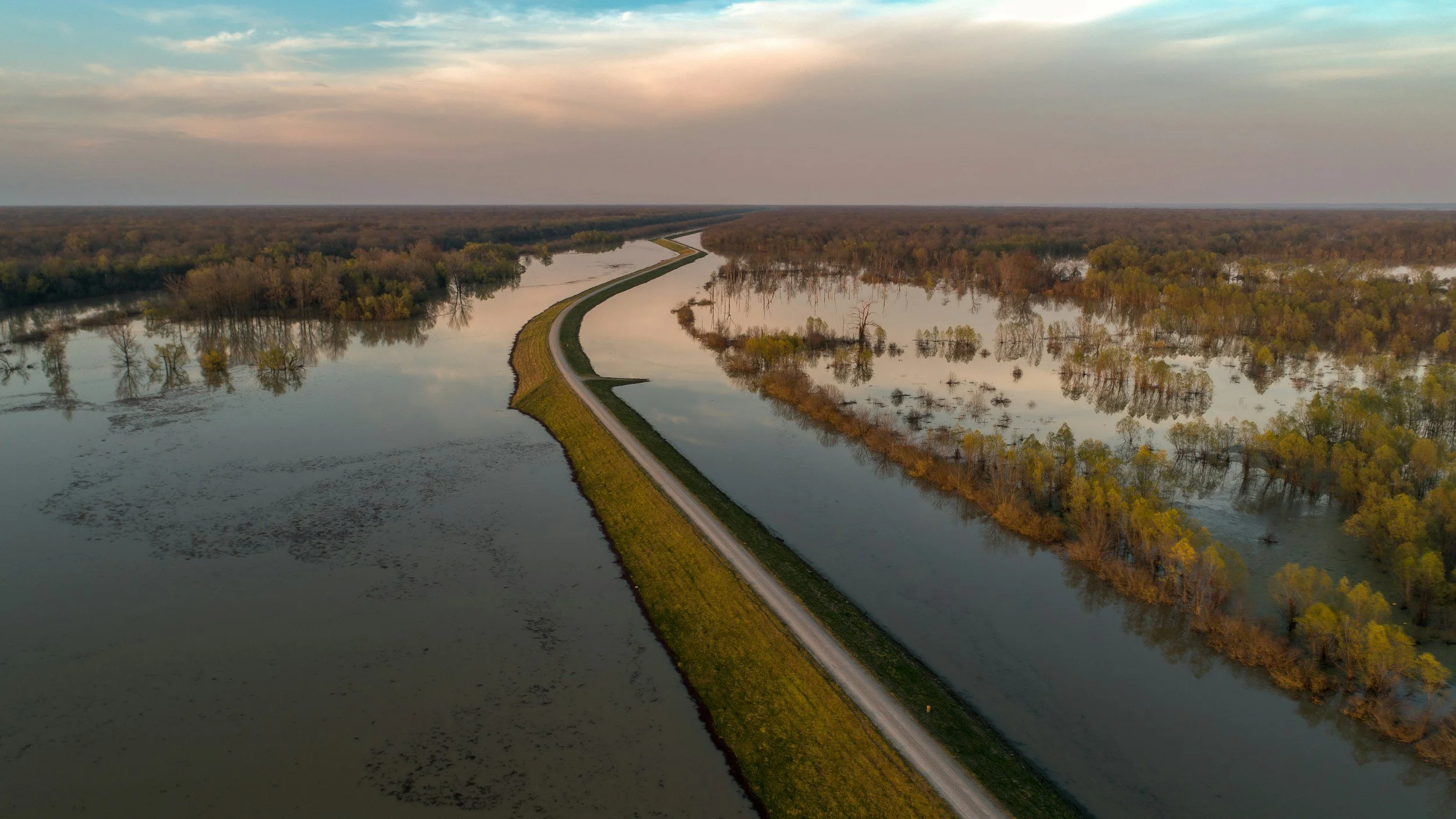
Levees are a band-aid that increasingly prove to be inadequate to withstand Mother Nature.
If we consider soil to be infrastructure, we could evaluate its effectiveness in the alternatives analysis. Does it make more economic sense to build more reservoirs and levees or to rebuild the capacity of large landscapes to infiltrate and store water? We may still need some of those major projects, but I would wager we would need fewer and require less capital if we also rebuilt SOM.
In our analysis, let's consider that healthier soil plays a key role in addressing many of the water-related problems stated above. It's not the only solution needed, but it is a key part of the puzzle.
How much would it cost to rebuild SOM across the US and how much additional water storage could that provide? It would be exorbitantly expensive to do this as a stand-alone project. However, if we consider that more SOM also translates to better productivity for farmers and more forage for ranchers, more nutrient dense food, and greater landscape resilience—we can begin to see how this "cost" to invest in water storage, water infiltration, and water treatment can actually be structured as an investment.
We do need to consider how cash flows can be structured to make this strategy investable at scale. But if we consider the application of other models for infrastructure investment that already exist, it’s not that hard to see how we could deploy that capital efficiently to achieve these outcomes with a similar ROI.
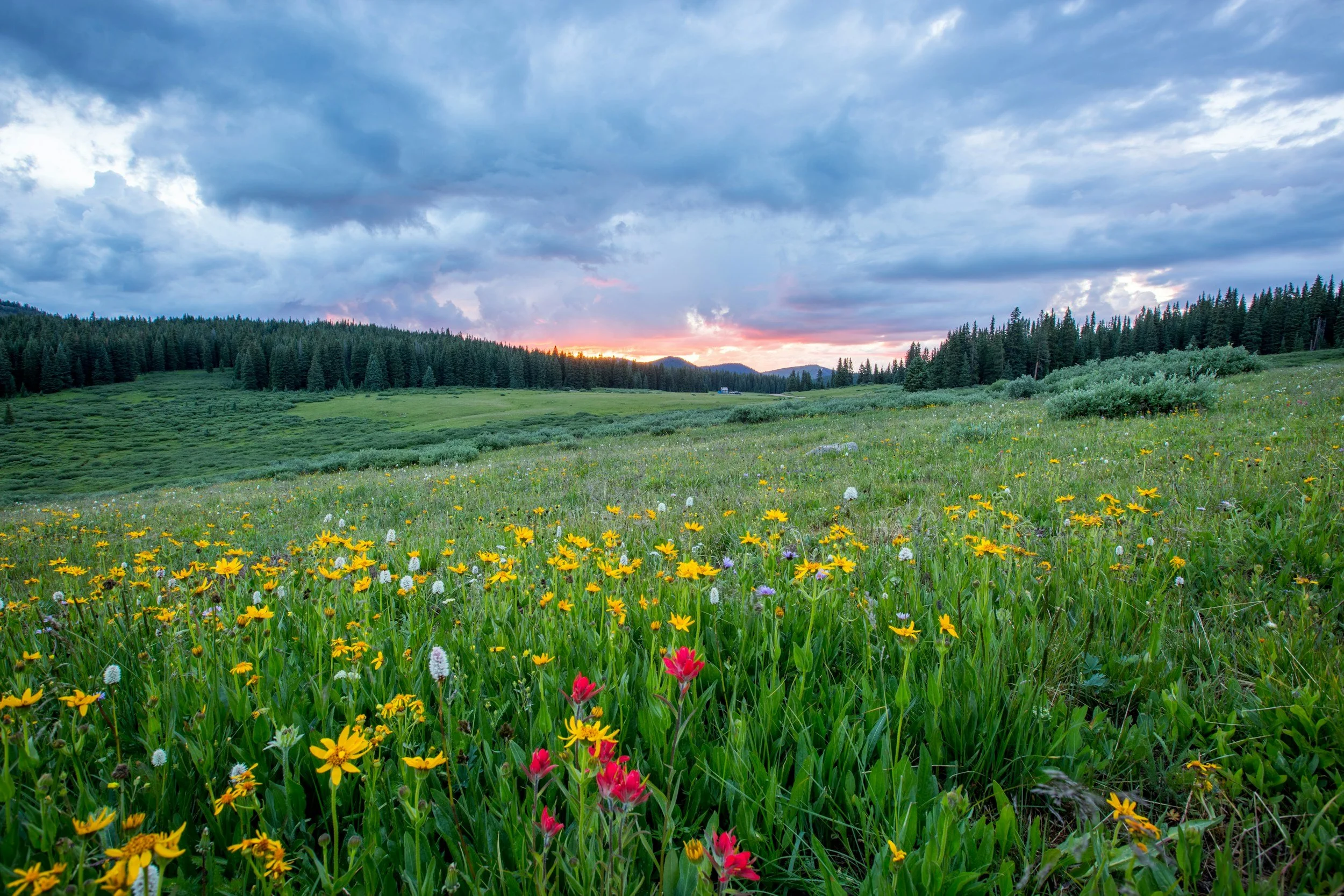
Healthy soil and prairie deliver many more benefits than people realize—and as a result, they are not valued as assets or infrastructure. There is an opportunity in changing that.